


Our Verdict

Hell is Us presents plenty of unique ideas, but its strengths don't outweigh its flaws. The brutal world of Hadea is full of mysteries to uncover, yet shallow combat and technical issues on Nintendo Switch 2 hold it back. Rogue Factor's ambition deserves recognition, but the execution falls short of greatness.
Hell is Us wants you to get lost. It refuses to hold your hand, trusting you to explore its war-torn world, piece together its mysteries, and find your own way forward. There's a lot to like about it, especially when it comes to uncovering its darker secrets. But Rogue Factor's delivery of its ambitious ideas doesn't always land.
Released on PS5 and PC last year, Hell is Us arrives on Nintendo Switch 2 with a distinctive vision of what an action-adventure game can be. This is a game that asks you to pay attention, trust your instincts, and occasionally reach for a pen and paper. I admire that approach, but Rogue Factor's new Switch game doesn't always pull it off.
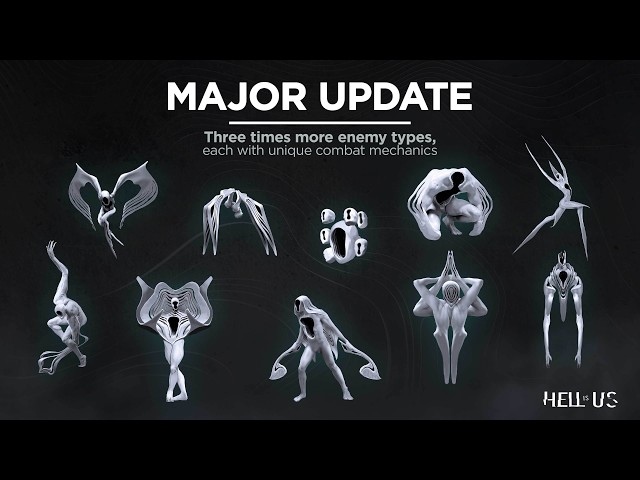
Set in the fictional nation of Hadea, the country's landscape is home to a devastating civil war between the Sabinians and the Palomists. Abandoned military equipment, ruined settlements, and the victims of brutal atrocities are strewn across the fields. To make matters worse, strange supernatural creatures have emerged, adding another layer of horror to this nightmarish situation.
You play as Remì, a man searching for his family who becomes embroiled in Hadea's troubled history. It's an effective setup, although Remì himself is hardly the most compelling protagonist. The world around him is far more interesting, with every conversation, recording, and nugget of information gradually revealing the terrors that have shaped it. Rogue Factor refuses to present war as a simple conflict between good and evil.
Its characters come from different sides of war, but the suffering is universal. Hell is Us explores how propaganda and the dehumanization of others can perpetuate violence long after its original causes have been forgotten. It's a grim subject, and Rogue Factor doesn't shy away from it. You'll encounter the terrible consequences of ordinary people committing extraordinary acts of cruelty. These moments are deeply unsettling, but they give the adventure a sense of purpose beyond simply fighting monsters.
It feeds into the most divisive aspect of Hell is Us: its exploration. There's no minimap or waypoint to guide you to the next objective. Instead, you're expected to listen to conversations and study the environment. Landmarks and environmental clues become essential, while seemingly insignificant discoveries can prove important hours later.
I love this idea. There's a proper thrill in finding a route through a once-unfamiliar area and solving a puzzle without being spoon-fed the answer. However, there's a difference between encouraging curiosity and making basic navigation unnecessarily difficult. Dungeons can become confusing labyrinths of similar-looking grey-walled voids, and the absence of a map makes it easy to forget where you've been or which locked door you meant to revisit.
Relevant information is scattered across notes, clues, and quest entries, and remembering the significance of every item can become a chore. There's a fine line between making players feel clever and making them feel lost. Hell is Us crosses it a little too often.
When you're not exploring, you'll spend plenty of time fighting the supernatural creatures haunting Hadea. Combat takes a deliberate approach, with stamina management, dodging, and carefully timed attacks encouraging you to think before swinging your weapon.
Unfortunately, the combat doesn't remain interesting consistently. Enemy variety is very limited, and you'll frequently find yourself fighting the same creatures in similar encounters. The weapons offer varied attack patterns, but there's only so much excitement in repeatedly cutting down familiar foes. Off the back of playing Control Resonant, a game with a similar combat ethos, Remedy's approach has truly spoiled me.

Hell is Us has a distinct aesthetic, especially in its Death Stranding-style supernatural sequences. It's just a shame that the presentation of the Nintendo Switch 2 version doesn't always do the world justice. Pop-in can be distracting, particularly when you're relying on distant landmarks to navigate.
However, the soundscape deserves its flowers. Dissonant electronic drones and far-away screams create an oppressive atmosphere that makes even seemingly empty locations feel dangerous. There are moments of quiet beauty, but Hadea never quite feels safe.
Hell is Us is a fascinating experiment that deserves credit for doing things a little differently. Its unsettling atmosphere and examination of humanity's capacity for cruelty make it worth visiting at least once. Its execution isn't perfect by any means, but I'm curious to see what Rogue Factor does next.