


When it comes to compact handhelds, I reckon that Retroid is among the few brands actually making products that fit in your pocket. I love playing on my Asus ROG Ally Z1E and Nintendo Switch 2, but they're both a far cry from the days of the PSP or Nintendo DS in terms of portability. For fans of the latter, the Retroid Pocket Duo is overhauling the beloved dual-screen handheld with some OLED goodness.
The rise of Nintendo DS-like handhelds continues, with the Anbernic RG DS and AYN Thor becoming the most popular. It's no surprise that Retroid is after a slice of the pie, and kicking things off with gorgeous displays is a decent way to do it. The Retroid Pocket Duo is set to launch with dual 120Hz OLED panels, with a 4:3 bottom screen and a 16:9 top display. Additionally, Retroid is packing in a configuration closer to the original Nintendo DS, with a D-pad-centric layout.
It's veering away from the Xbox-style asymmetric joysticks seen on the AYN Thor and handheld PCs like the ROG Ally and MSI Claw. While it looks sleek at a glance, many details remain unclear. Retroid still hasn't given us a definitive price for the new portable gaming console. Comparatively, pre-orders for the seventh batch of AYN Thor handhelds go for $259. Retroid may undercut its competitors, but that depends on what it's offering internally.
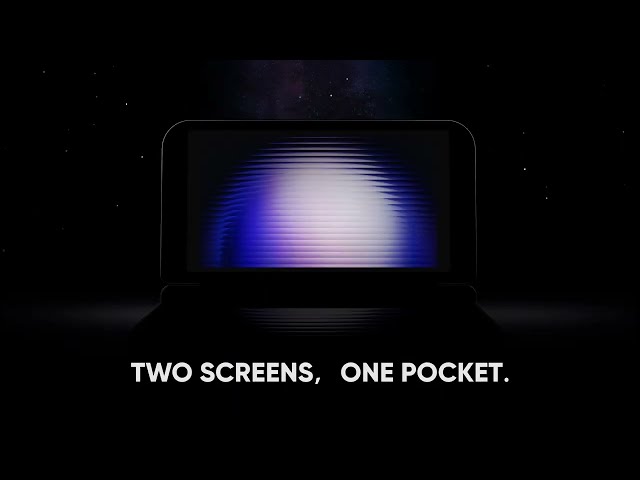
Dual OLED panels aren't new - the AYN Thor already does this well. However, it only offers 120Hz on its top panel, with the smaller bottom display capped at 60Hz. Retroid matching 120Hz across both screens immediately gives the Retroid Pocket Duo an interesting advantage, at least on paper. Right now, we know almost nothing about the Retroid Pocket Duo's processor, RAM, battery, or storage. That makes it difficult to say whether this is a genuine AYN Thor rival or simply a prettier, more affordable alternative for retro gaming fans.
The Anbernic RG DS sits at the opposite end of the spectrum. It's much cheaper and focuses squarely on recreating the Nintendo DS experience, with a 4′ 640 x 480 IPS display, capacitive stylus support, and a modest RK3568 chipset. It isn't the first time Retroid has played around in this market. The Retroid Pocket Flip aimed to replicate the fun of the Nintendo DS form factor.
I especially dig the Retroid Pocket Flip 2 colors, with a few colorways that feel ripped out of the early 2000s. If Retroid can bring some of that design flair and pair those displays with a capable Snapdragon chip at the right price, the Retroid Pocket Duo could be one of the most interesting dual-screen handhelds yet.