


I don't think it's hyperbolic to say the Steam Deck 2 is easily the most anticipated handheld PC. Valve kicked off a whole new era of portable gaming with the Steam Deck, with Asus, MSI, and Lenovo following in its footsteps. But, while its rivals continue to release upgraded models, Valve continues to take its time. Despite the ongoing RAM shortage, the bigger picture doesn't appear to be affected.
Speaking to IGN in a recent interview, Valve software developers Pierre-Loup Griffais and Jeff Leinbaugh comment on whether the situation is complicating development on the Steam Deck 2. Simply put, Griffais says "not really."
For Valve, the jump to the Steam Deck 2 needs to be meaningful. Although we've had an OLED iteration of the handheld PC with some performance boosts, Griffais notes that "we've talked before about how we want to make sure there's a very delineated performance improvement for something like a future Steam Deck, and I think we're still looking at it in the same way."
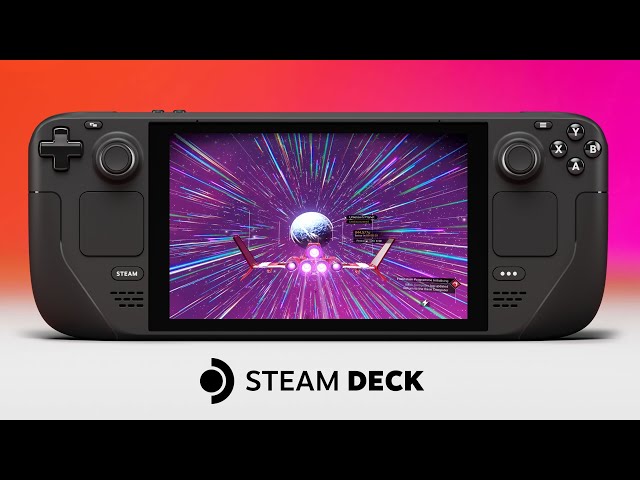
Looking more closely at the hardware market, he adds that "it's just a matter of looking at the current conditions and seeing how and when we can deliver something like that. But from what we're working on, as far as the user experience goes and what the product that we're trying to build goes, it's very similar goals." Four months ago, Griffais clarified Steam Deck 2 development was underway, so it's good to see that hasn't wavered.
The crucial aspect for the Steam Deck 2 is going to be price; a sticking point that proved divisive with the launch of the Steam Machine. Valve's home console reportedly was set for a lower price, at around the $750 mark, before leaping up to $1049 for the base 512GB model. These increases extend to the current Steam Deck, which increased in price earlier this year.
If you're shopping around for a new handheld PC, then our guide to the best Steam Deck alternatives can point you in the right direction.